


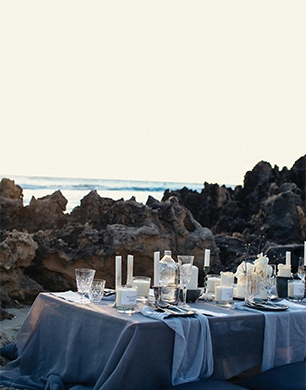
Photo Credit: Rachel Claire via www.pexels.com
Event planning is an art form that requires a delicate balance between practicality and visual appeal. Whether you’re organising a wedding, corporate gathering, festival or backyard party, the goal is always the same: to create an experience that feels effortless, beautiful and memorable. In today’s world, where experiences are treasured, and social media amplifies every occasion, merging function with aesthetic has become essential. This blog explores how thoughtful planning can transform events into seamless and stunning affairs.
The Importance of Functional Design
At the heart of every successful event is a strong foundation of functional design. This means considering how people will move through the space, where they will sit, how the lighting will work throughout the day or night, and where essential services like food, bathrooms and first aid are located. Function doesn’t need to be invisible, but it must always be integrated in a way that doesn’t disrupt the guest experience.
When function is overlooked, problems arise. Guests might struggle to navigate the venue, wait too long in queues or feel uncomfortable due to poor layout decisions. These frustrations can tarnish even the most beautiful event. Therefore, smart planners prioritise logistics early in the process. By mapping out the flow of traffic, access points and sightlines, they ensure guests feel comfortable and engaged from the moment they arrive.
Marrying Aesthetic Vision with Practical Needs
Once the functional groundwork is laid, it’s time to enhance the visual experience. Aesthetic choices set the tone, evoke emotion and leave lasting impressions. Colour schemes, décor elements, lighting design and floral arrangements all work together to reflect the theme and personality of the event. However, beauty should never come at the expense of usability.
Take seating as an example. Stylish furniture can elevate a space dramatically, but if guests are uncomfortable, they won’t stay long. The answer is to select pieces that are both attractive and suitable for the duration and purpose of the event. A mix of lounge seating and traditional chairs can offer comfort without sacrificing style. Similarly, lighting can be both functional and atmospheric. Soft uplighting might create a warm glow for a dinner reception while also ensuring paths are clearly lit for safety.
Innovative Structures: Setting the Stage
Structures are pivotal in shaping both function and aesthetic. A well-chosen tent or marquee transforms a blank canvas into an inviting and organised environment. This is where practical considerations, such as weather protection and space division, merge beautifully with design elements like style and texture. For instance, choosing the right tent size ensures there’s ample room for movement and all planned activities, while decorative draping and lighting inside the marquee can turn it into a striking focal point.
For those hosting outdoor celebrations in the city, choosing quality providers like London-based party tent hire can make all the difference. With options that suit a range of themes and capacities, these structures support the flow of the event while contributing to the overall visual story. Seamlessly integrating these elements showcases how functional necessities can also be central to the aesthetic.
Creating Cohesion Through Planning
The ultimate goal of event planning is cohesion, where every piece feels intentional and contributes to a unified experience. This is achieved through early planning, strong communication with vendors and a clear understanding of both the logistical needs and creative aspirations of the event. When function and aesthetic work in harmony, guests aren’t just attending an event; they’re immersed in a thoughtfully crafted experience that resonates long after it’s over.
Balancing practicality with beauty may be challenging, but when done right, it elevates any event from ordinary to extraordinary. With the right planning, each detail supports the next, and the result feels both effortless and unforgettable.