


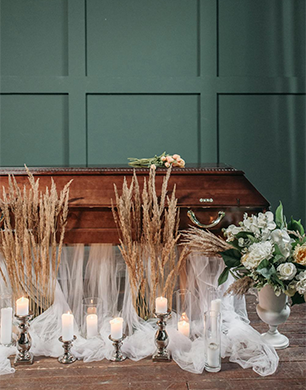
Photo Credit: Pavel Danilyuk via www.pexels.com
Losing a loved one is difficult. On top of grieving, you must also make important decisions about funeral arrangements. The three most common types of funerals are burial, cremation, and natural/green burials. Understanding the differences can help you choose what is best for honouring your loved one.
Burial
A traditional burial service involves preparing the body, holding a service, and burying the deceased in a cemetery plot.
Preparing the body. After death, the body is transported to a funeral home. The funeral director prepares the body for viewing and the funeral service. This includes washing and embalming the body to temporarily preserve it. The body is dressed and placed into a casket.
Funeral service. A viewing is typically held the day before the funeral service. This allows family and friends to pay respects to the deceased. On the funeral day, a service is held, which may involve prayers, readings, and eulogies. After the service, the casket is transported to the cemetery for burial.
Cemetery burial. The casket is lowered into the grave during a committal service. Some families choose to have a burial vault or grave liner installed to further protect the casket. The headstone cost ranges from £600-£2000 on average.
Cremation
With cremation, the body is cremated before burial or scattering of remains. Cremation is a popular lower-cost option that also simplifies logistics.
Preparing the body. As with burial, the body is first transported to the funeral home. However, with cremation, the body does not need to be embalmed or viewed unless the family requests it. The cremation can take place shortly after death.
Funeral service. Some families hold a viewing or funeral service before cremation. Otherwise, a memorial service is held after cremation to honour the deceased. This involves many of the same elements as a traditional funeral without the casket.
Cremation. During cremation, the body is placed in a combustible container and put into a cremation chamber. Intense heat reduces the body to bone fragments, which are then processed into ashes. The ashes are placed into an urn provided to the family.
Final disposition. Cremated remains can be buried in a cemetery, kept by the family, or scattered in a meaningful place.
Natural/Green Burials
Eco-friendly or green burials emphasise simplicity and environmental sustainability. They are a small but growing segment of funeral options.
Preparing the body. With natural burial, the goal is to avoid embalming chemicals and non-biodegradable caskets. A simple shroud or biodegradable coffin made of materials like wicker or pine is used.
Funeral service. The service follows the format of a traditional burial but with an emphasis on ecological practices. This allows the body to naturally return to the earth.
Green burial. The body is buried shallowly without a concrete vault in a dedicated green cemetery. Graves may be marked with natural stone or GPS coordinates. Over time, the grave will blend back into nature.
Cost. Opening/closing fees and burial plot costs are comparable to traditional cemeteries. Green cemeteries also save money by not requiring vaults and often allowing simpler, eco-friendly casket options.
Honouring Your Loved One
No matter which option you choose, the funeral or memorial service allows friends and family to mourn together and pay tribute to someone who has passed. Take time to consider what funeral customs would be most meaningful for honouring your loved one’s life.