


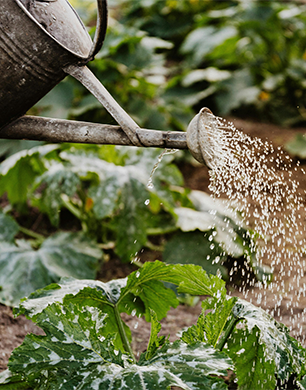
Photo Credit: www.kaboompics.com via www.pexels.com
Your garden should add value to your home and your life. But many gardens do the opposite. They drain your bank account month after month without you quite noticing how it happens.
The costs creep up slowly. A bit more on the water bill. Another trip to the garden centre. Weekend after weekend spent fixing the same problems. Before you know it, you’ve spent hundreds, sometimes thousands, on a space that still doesn’t work properly.
Most of these expenses come from design problems that happened years ago. Someone laid a patio without thinking about drainage. They chose the wrong materials. They skipped steps that seemed unimportant at the time. Now you’re paying for those decisions over and over.
The good news? Once you understand what’s actually costing you money, you can fix it. Sometimes that means a weekend project. Sometimes it means calling in specialists. Professional firms like MacColl & Stokes Landscaping handle everything from garden design to complete outdoor renovations, which often costs less long-term than repeated DIY fixes that never quite solve the underlying issue.
Here’s what’s probably draining your budget right now.
Poor Drainage Turns Into Permanent Damage
Water sitting on your patio after rain seems like a minor annoyance. It’s not.
Standing water destroys paving. It seeps under slabs and freezes in winter. The freeze-thaw cycle cracks even quality materials. Within a few years, you’re looking at sunken areas, wobbling stones, and eventually a complete relay job that costs thousands.
Gardens without proper drainage also kill plants. Waterlogged soil drowns roots. Your expensive shrubs die. You replace them. They die again. The cycle continues because the real problem, the drainage, never gets addressed.
Water damage affects your house too. Poor garden drainage can direct water toward foundations, causing damp problems that cost serious money to fix. According to research from the Royal Horticultural Society, inadequate drainage ranks among the top causes of garden-related property damage in the UK.
Fixing drainage properly costs money upfront. But compare that to replacing dead plants every year, relaying patios every five years, and dealing with potential damp issues in your home. The maths makes sense.
Wrong Materials Mean Constant Replacement
That cheap decking seemed like a bargain three years ago. Now it’s grey, splintered, and needs replacing.
Timber decking requires annual treatment to survive British weather. Miss a year and it deteriorates fast. The ongoing cost of treatments, plus the time spent applying them, adds up to far more than the price difference between basic timber and composite alternatives that need no maintenance.
The same applies to paving. Concrete slabs cost less than porcelain or natural stone initially. But concrete absorbs water, stains easily, and often needs replacing within a decade. Quality porcelain lasts decades with minimal maintenance.
Fencing follows the same pattern. Panel fencing needs replacing every few years in exposed sites. Proper timber fencing with treated posts lasts far longer. The initial saving evaporates when you’re buying new panels for the third time.
Think about cost per year, not just purchase price. A £3,000 composite deck that lasts 25 years costs £120 annually. A £1,500 timber deck that needs replacing every eight years costs £187 annually, plus treatment costs and your time. The expensive option actually costs less.
High-Maintenance Planting Drains Time and Money
That lawn looks lovely. It also costs a fortune.
A typical UK lawn needs mowing weekly during growing season, feeding twice yearly, aerating, scarifying, and treating for weeds and moss. Add up the products, equipment, and time. Many people spend over £500 yearly maintaining grass that could be replaced with alternatives requiring a fraction of the upkeep.
High-maintenance borders cost even more. Plants that need deadheading, staking, dividing, and special feeds demand constant attention. Each trip to the garden centre for another bag of compost or box of plant food adds to the annual bill.
Some plants need replacing regularly. Bedding plants give instant colour but last one season. Perennials and shrubs cost more initially but return year after year, often improving with age.
Water-hungry plants push up water bills significantly. According to data from Water UK, garden watering can add £200 or more to annual water costs for homes with water meters. Drought-tolerant planting slashes this expense while often looking better during dry spells.
Inefficient Layouts Waste Space and Money
Your garden has three unusable corners filled with weeds. That’s wasted space you’re still paying to maintain.
Badly planned layouts create areas that don’t work. Narrow side passages too small for furniture but large enough to need paving. Awkward slopes that can’t be mowed easily. Spots where nothing grows because they’re too shaded or exposed.
Each problematic area costs money. You buy materials trying to fix it. You spend time maintaining space you never actually use. Or you ignore it and watch it deteriorate, eventually needing expensive repairs.
Thoughtful design eliminates these problem zones. It creates spaces you actually use and enjoy. The same square footage, properly planned, gives you more garden for your money.
Paths that go nowhere waste resources. A patio that’s too small to fit a table and chairs might as well not exist, yet you paid to install it. These mistakes happen when people plan gardens room by room instead of thinking about how the whole space works together.
DIY Shortcuts Create Long-Term Problems
You saved money doing it yourself. Except you didn’t, really.
Shortcuts during installation cause expensive problems later. Patios laid without proper foundations sink and crack. Decking built without adequate airflow underneath rots from below. Retaining walls constructed without drainage fail within years.
These aren’t small fixes. A failed patio means excavating and starting over. Rotted deck joists require complete rebuilds. Collapsed walls pose safety hazards that need immediate expensive attention.
Professional installation costs more initially but includes proper foundations, drainage, and construction methods that prevent these failures. The work lasts decades instead of years. You actually save money by paying for it to be done right first time.
Some jobs suit DIY. Planting, simple maintenance, and cosmetic changes work fine. Anything structural, anything involving drainage, anything permanent needs doing properly or not at all.
Seasonal Damage You Could Prevent
Winter destroys unprepared gardens.
Terracotta pots left outside crack when water freezes inside them. Each spring you replace pots you could have protected. Tender plants die because nobody moved them under cover. Water features crack because they weren’t drained.
These losses seem small individually. Over years, they represent hundreds of pounds in replacements. Simple autumn preparation prevents most of this damage, but many people don’t realise what needs doing until after the first hard frost.
Summer causes different problems. Hanging baskets and pots dry out and die during holidays. You return to dead plants that cost £100 to create. Automatic watering systems cost less than replacing plants every year.
Extreme weather events are becoming more common. Gardens built without considering climate resilience face repeated damage. Better planning and plant choices reduce the financial impact of heatwaves, storms, and unexpected freezes.
Hidden Costs of Neglect
Small problems become expensive ones when ignored.
A few weeds in the patio seem harmless. Give them a year and they’ve shifted the slabs. Now you need a professional to relay sections. What could have been five minutes with a weeding tool becomes a £500 repair bill.
Blocked drains work the same way. Clear them when water starts draining slowly and it takes ten minutes. Wait until they’re completely blocked and you might need new drainage installed.
Moss on decking looks unattractive but causes real damage. It holds moisture against the wood, accelerating rot. Regular cleaning takes minimal time and costs almost nothing. Replacing rotten deck boards costs serious money.
The cheapest time to fix any garden problem is when you first notice it. Every month you leave it, the solution becomes more expensive.
What Actually Saves Money
Invest in quality where it matters. Foundations, drainage, and structural elements should never be economical choices. These hidden elements determine whether everything else lasts or fails.
Choose low-maintenance options for visible areas. Composite over timber. Porcelain over concrete. Perennials over bedding plants. The pattern repeats across every element.
Design gardens around how you actually live. If you never sit in the garden, don’t install an expensive patio. If you hate mowing, don’t keep a huge lawn. Match the space to your lifestyle instead of copying what everyone else has.
Plan for the long term. A well-designed, properly constructed garden using quality materials needs minimal intervention for decades. A cheap garden needs constant money, time, and attention, costing far more over its lifetime.
Your garden should add to your home’s value and your quality of life. If it’s doing the opposite, that’s fixable. Sometimes it needs professional help. Sometimes it needs different thinking. But it definitely doesn’t need to keep draining your bank account every month.