


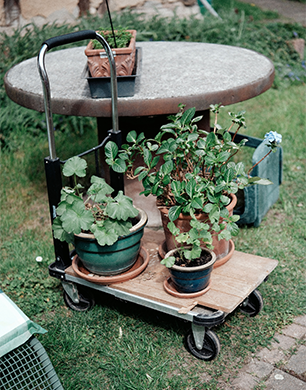
Photo Credit: Michael Obstoj
2
Michael Obstoj via www.pexels.com
Every garden has its own personality. One corner might bake in the afternoon sun while another stays cool and damp for most of the day. Once you notice those differences, you can stop fighting your garden and start working with it.
This approach usually leads to healthier plants and fewer disappointments, plus a space that feels easier to manage throughout the year.
Understand the four essentials: light, temperature, water and airflow
Sunlight isn’t the be-all and end-all. Plants respond to everything around them, from the warmth trapped against a wall to the breeze that dries leaves after a shower.
A rose planted in full sun may still struggle if its roots sit in soggy ground, while herbs that enjoy dry conditions quickly lose vigour in still, humid air. Looking at the whole picture helps you spot the real cause of poor growth instead of treating the symptoms.
Spend a few days watching how each part of your garden behaves before putting anything in the ground.
Build healthy soil to support stronger plants
Good soil feels alive. It crumbles in your hand and drains well after rain. It holds enough moisture to support roots between watering. Compost gradually improves heavy clay and gives sandy ground more staying power during dry weather, while mulch protects the surface from baking in the summer sun.
You don’t need to replace your soil to improve it – steady additions of organic matter each year tend to produce lasting results. Plant diversity is also important to create and maintain healthy soil. This will only become more essential as weather patterns become less predictable.
Control conditions throughout the seasons
The best gardens adapt with the calendar instead of sticking to one routine. A greenhouse that feels perfect in April can become stifling in July unless fresh air moves through it. Likewise, an exposed border that copes well in summer may need protection when the first frosts arrive.
Watering deeply encourages roots to search further into the soil, which leaves plants better prepared for warmer spells. Let the conditions guide your decisions instead of the date on the calendar.
Choose the right growing space for long-term success
Where you grow something matters just as much as what you grow. Raised beds suit vegetables that dislike sitting in wet ground, while open borders give shrubs and perennial flowers the room they need to settle for years.
If you want greater control over temperature and shelter, a polytunnel greenhouse creates a more dependable environment for crops such as peppers, tomatoes and cucumbers, especially during unsettled British summers.
Choosing the right setting from the beginning usually saves far more effort than trying to rescue a plant that’s never been happy where it was planted.