


Photo Credit:
Lara Farber via www.pexels.com
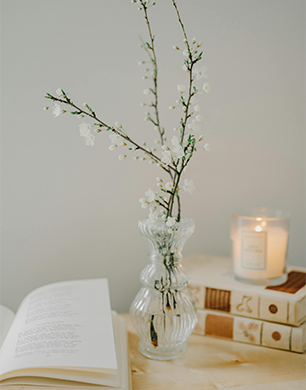
Accessorising is something we don’t often consider when it comes to interior design. However, with the right approach, accessories become the little finishing touches that turn a house into a home. The icing on the cake that reflects your family’s personality while fitting seamlessly into your décor.
Below are four essential areas to consider when selecting accessories.
1. Have a Cohesive Design Vision
Before buying any accessories, start by defining your home’s style. Whether modern, traditional or somewhere in between, establishing a clear vision helps you choose items that harmonise with your furniture and colour palette rather than competing with them. Try starting mood board or listing your favourite aesthetics and then looking for common threads across shapes, materials and textures. Once the foundation (walls, main furniture, flooring) is settled, accessories help fill out the space and tie everything together beautifully.
2. Set the Mood with Lighting
Lighting is the special sauce that sets the tone for each room. A thoughtful lighting strategy includes ambient (general) lighting, task lights (for reading, cooking, working) and accent lights (to highlight art or architectural features). For example, in a living room you might pair a warm-tone overhead fixture with a floor lamp near a reading chair and a wall sconce to highlight artwork. In the kitchen, meanwhile, brighter task lighting over prep areas combined with softer mood lighting for evening creates flexibility. Choosing the right lighting for each room not only enhances your chosen accessories but elevates the entire space.
3. Window Treatments for Style and Privacy
Curtains and blinds offer privacy, control light and can anchor the room’s style. For a timeless, tailored look, consider installing roman blinds, which work well across most interiors, from modern minimalist to classic country. When choosing window treatments, match the fabric and finish to your overall decor: linen for relaxed elegance, velvet for luxurious depth, or a light sheer for airy simplicity. The hardware or track you select can also become a design feature in its own right.
4. Define and Anchor Your Space with Rugs
A well-chosen rug adds warmth, texture and cohesion to a room. Size and placement matter: the rug should be large enough to sit under the front legs of key furniture pieces (sofa, chairs) to anchor the arrangement, yet leave a visible border of floor around it. Choose a rug that complements your colour scheme and ties in elements such as cushions or wall art. Accessories play an important role in weaving together the room’s visual narrative and making it feel complete.
Conclusion
Interior design accessories are the fine details that bring style, personality and harmony to your home. By starting with a cohesive design vision, choosing thoughtful lighting, selecting smart window treatments (including roman blinds) and layering in rugs and other finishing touches, you create spaces that feel curated yet lived-in, stylish yet functional.