


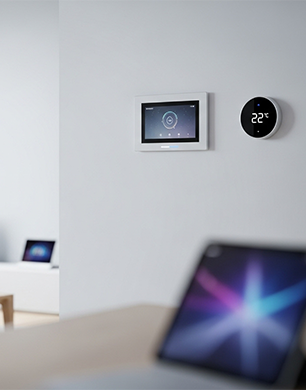
 Running a household has always demanded considerable time and mental energy—adjusting thermostats throughout the day, keeping tabs on security systems, staying on top of cleaning schedules, and juggling family routines. Smart home automation is proving to be more than just a trendy convenience; it’s becoming a genuine solution for streamlining these everyday challenges. Today’s automated devices, ranging from intelligent thermostats to a robot vacuum cleaner, are moving into the mainstream and fundamentally transforming how we interact with our homes while freeing up precious time for what matters most.
The Evolution of Home Management Technology
For generations, household management meant staying constantly vigilant—manually tweaking the thermostat, physically checking locks, and dedicating weekends to routine maintenance. The transition from standalone smart gadgets to integrated home ecosystems marks a genuine shift in how we approach these responsibilities.
What’s driving this change isn’t just tech enthusiasm among early adopters. As these systems become more intuitive and affordable, everyday homeowners are discovering the difference between flashy gadgets and automation that actually learns from their habits, anticipates their needs, and works quietly in the background. Market data reveals that smart home adoption is surging as people recognize which technologies offer real improvements versus those that simply add complexity to their lives.
Core Areas Where Automation Delivers Real Value
Energy Management and Sustainability
Smart thermostats showcase automation at its finest, using learning algorithms and geofencing technology to optimize energy use without sacrificing comfort. These systems study your family’s patterns, factor in weather predictions, and adjust temperatures accordingly. The results speak for themselves: many households see 10-15% reductions in heating and cooling costs through intelligent temperature control alone.
Security and Peace of Mind
Today’s security automation weaves together smart locks, cameras, and monitoring systems into unified solutions that keep you connected to your home from anywhere. Beyond the obvious physical protection, these systems provide significant psychological benefits—there’s real comfort in being able to check your property status during a vacation or receive instant alerts about unexpected activity.
Of course, all these connected devices do raise valid cybersecurity questions. The key is following proven practices: keeping software updated, using strong authentication, and choosing manufacturers with solid security reputations.
Health, Wellness, and Aging in Place
Smart home technology is opening new possibilities for elderly individuals who want to maintain their independence. Fall detection systems, emergency alerts, and air quality monitoring create supportive environments that enhance daily life while giving family members peace of mind from a distance.
These benefits extend well beyond senior care, helping anyone dealing with mobility challenges or chronic health conditions. It’s automation’s role in creating more accessible, supportive living spaces that truly demonstrates its potential impact.
Household Maintenance and Time Reclamation
When you combine automated cleaning systems, smart irrigation, and intelligent appliance scheduling, the cumulative effect is remarkable—you’re no longer carrying the constant mental burden of routine household tasks. The time savings across multiple automated systems can easily add up to several hours each week, hours you can redirect toward family, personal interests, or career goals.
Research shows that reducing repetitive household chores provides benefits that go beyond simple time savings. People report lower stress levels and improved overall life satisfaction when they’re freed from the endless cycle of mundane tasks.
Overcoming Barriers to Adoption
Initial cost considerations often give potential adopters pause, but the long-term math usually works out favorably through energy savings and reduced maintenance expenses. Setup complexity, once a major hurdle, has improved dramatically as manufacturers focus on user-friendly installation processes and the Matter protocol makes different brands and systems work together more seamlessly.
Privacy concerns deserve serious attention when selecting products. It’s worth researching manufacturers’ privacy policies, understanding what data gets collected, and prioritizing systems that can process information locally rather than sending everything to the cloud.
Practical Next Steps
Smart home automation delivers its greatest value when it tackles your specific household challenges rather than offering generic convenience features. Start by honestly assessing your primary concerns—whether that’s energy efficiency, security, health monitoring, or simply reclaiming time—and choose initial devices that directly address these priorities.
Invest in compatible systems that support future expansion, and remember that effective automation should simplify your daily routines, not complicate them. As technology continues becoming more accessible and user-friendly, the opportunity to create truly personalized, responsive living environments will only grow more compelling.