


Photo Credit: www.pexels.com
Construction sites are rarely clean, but some are cleaner. The difference frequently depends on how much work is done on site, how many resources are stored, and how effectively each stage is planned before delivery. Limited space, public access, or pressure to minimise disruption make cleaning more than just a question of appearance.
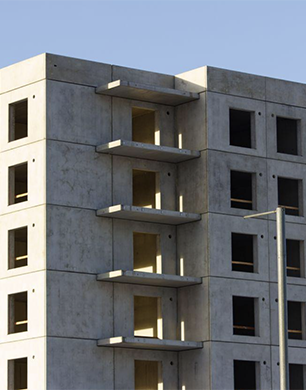
Because many messy, time-consuming steps occur off-site, precast goods can help. Project teams can employ pre-made elements delivered as needed instead of shaping, pouring, curing, and completing everything on site. Providers of precast concrete solutions, such as JP Concrete (jpconcrete.co.uk), can help achieve cleaner, more regulated building methods.
Site Wet Work Reduced
Formwork, reinforcing preparation, concrete deliveries, washouts, curing, and finishing are elements of traditional concrete work. If the site is small or active, each stage might increase clutter and waste. Precast goods reduce wet work on-site because much of the concrete is already cast elsewhere. Such an approach can simplify site organisation and cleanliness during construction. This approach reduces the risk of concrete waste, discarded formwork, surplus material, and temporary setup areas contaminating open, safe, or presentable locations.
Fewer Outdoor Materials
A cleaner webpage is usually simpler. Large amounts of raw materials stored outdoors quickly become messy. Materials, including aggregates, wood, packing, reinforcement, tools, and unused supplies, can impede project progress. Precast items are finished or mostly finished, reducing material mounds and storage time. This approach helps when the site is near roadways, commercial buildings, farms, industrial yards, or public routes. By managing fewer loose items, teams can prioritise installation over clearing, covering, transferring, or protecting supplies.
Waste Control Improvement
Controlled production makes waste management easier. Established systems can handle offcuts, surplus materials, packaging, and process waste in a factory or dedicated production area. Because conditions change during the day, waste management on a live building site is difficult. Weather, truck movements, constrained access, and mixed transactions can disseminate or muddle materials. Precast construction moves waste management away from the project site. Although not waste-free, the site can be cleaner with fewer uncontrolled residues.
Safer Site Navigation
Cleanliness impacts safety. A messy site can create trip hazards, restricted walkways, uncomfortable vehicle movements, and uncertainty about material placement. Precast materials allow installation areas to be prepared around specific deliveries rather than protracted periods of scattered activity, making movement safer. If units arrive in order and the team deploys them efficiently, workers spend less time navigating piles of material or temporary building sites. Cleaner routes facilitate smooth movement of people, machinery, and goods without confrontation.
Less Neighbour Disruption
A construction mess sometimes spills outside a project. Dust, muck, noise, garbage movements, and parked deliveries can affect local companies, homeowners, customers, and the public. Precast products can reduce project interruptions by reducing the effort required. A faster, more organised installation phase can help reduce project intrusion. This is especially useful for projects near public places, retail, roadways, schools, farms, and operating facilities where activity cannot be stopped.
Cleanup Begins Before Delivery
Better preparation, not last-minute cleaning, makes building sites cleaner. Precast products help control manufacturing, waste handling, and quality control before the site phase. Good access planning, lifting arrangements, safe storage, and timing still matter. Properly managed precast construction can make a site easier to navigate and supervise, and be less disruptive for adjacent residents.