


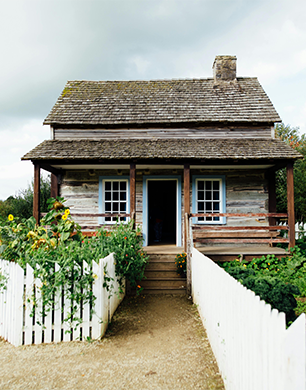
Photo Credit: Kelly via www.pexels.com
Designing the perfect garden is about balancing functionality, aesthetics, and seasonal interest to create a space that reflects your lifestyle. Whether you’re aiming for a low-maintenance retreat or a beautiful floral haven, good planning and quality materials can make all the difference. With the UK’s 30 million gardeners focused on sustainable and purposeful gardening, 2025 is the ideal time to create an outdoor space that serves both personal needs and environmental goals.
1. Planning Your Garden Layout
The basis of any successful garden is in understanding your space and its characteristics. Start by assessing your garden’s size, sunlight patterns throughout the day, and soil type to create a workable design that maximises your outdoor potential. Consider how different areas of your garden receive morning versus afternoon sun, as this will determine which plants will thrive where. Factor in existing features like mature trees, slopes, or drainage issues that could influence your design choices. Creating distinct zones for different activities helps establish a clear layout that flows naturally.
2. Choosing the Right Plants
Plant selection is where your garden’s personality truly emerges, and 2025 trends emphasise both beauty and purpose. A study revealed a 150% year-on-year increase in searches for ‘cottagecore garden’, highlighting the growing appetite for romantic, natural planting schemes that combine flowers, herbs, and vegetables. Pick plants suited to your local climate and desired maintenance level, prioritising native species that support local wildlife while requiring less water and care. The current emphasis on drought-tolerant and flood-resilient plants reflects our changing climate needs. Consider incorporating edible elements alongside ornamental plants, which provides both visual appeal and practical harvests.
3. Adding Structure and Definition
Well-planned structural elements change a collection of plants into a great garden design. Use paths, fencing, and quality gravel boards to separate different spaces, protect planting beds, and create clear boundaries that guide visitors through your garden while preventing soil spillage and maintaining neat edges. These fundamental elements provide year-round structure that looks attractive even when plants are dormant. Choose materials that complement your home’s architecture and the garden’s overall style, whether that’s natural stone for a cottage garden feel or sleek contemporary materials for a modern aesthetic.
4. Creating a Year-Round Garden
The most successful gardens offer something special in every season, guaranteeing that your outdoor space remains engaging throughout the year. Incorporate evergreen plants for winter structure, early spring bulbs for renewed optimism, summer perennials for peak colour, and trees or shrubs with striking autumn foliage or interesting bark. Strategic lighting extends your garden’s usability into evening hours and creates great winter scenes. Consider the interplay between different plant heights, textures, and seasonal interests to make sure there’s always something to draw the eye. Even during quieter months, features like ornamental grasses, seed heads, and architectural plants can provide visual interest and wildlife benefits.
The perfect garden in 2025 balances personal enjoyment with environmental responsibility, creating spaces that nurture both people and planet while requiring manageable maintenance levels.