


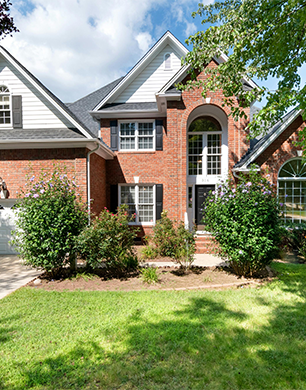
Photo Credit: www.pexels.com
Sustainable living is no longer only a trend—it has become a necessity. Many homeowners are seeking eco-friendly home renovation options that not only reduce their carbon footprint but also help them save money in the long run. The good news is that you don’t need a huge budget to make your home more sustainable. With smart choices and strategic upgrades, you can create an eco-friendly home without breaking the bank. That’s why we’ve brought to you a comprehensive article on budget-friendly home renovations that promote sustainability.
1. Energy-Efficient Lighting
One of the easiest and most cost-effective ways to make your home more sustainable is by switching to energy-efficient lighting. Traditional incandescent bulbs consume more energy and also have a shorter lifespan.
- LED Bulbs: Use up to 80% less energy and last up to 25 times longer than incandescent bulbs.
- Smart Lighting: Motion sensors and dimmable LED lights help optimize energy consumption.
- Natural Light: Utilize skylights and larger windows to maximize daylight and reduce reliance on artificial lighting.
2. Water-Saving Fixtures
Water conservation is crucial in an eco-friendly home. Consider upgrading to water-efficient fixtures that reduce wastage without sacrificing performance.
- Low-Flow Faucets and Showerheads: These can cut water usage by up to 50%.
- Dual-Flush Toilets: This innovative system offers a choice between a full and partial flush, saving thousands of gallons of water annually.
- Rainwater Collection System: Capture rainwater for outdoor irrigation to reduce dependence on municipal water supplies.
3. Eco-Friendly Flooring Options
Replacing old flooring can be done sustainably by choosing environmentally friendly materials.
- Bamboo Flooring: A fast-growing, renewable resource that is durable and stylish.
- Reclaimed Wood: Salvaged wood from old buildings can add character while reducing deforestation.
- Cork Flooring: Harvested from cork oak trees without harming them, it provides natural insulation and comfort.
- Recycled Tile: Made from repurposed glass, porcelain, or ceramic, giving waste materials a new life.
4. Insulation and Weatherproofing
Proper insulation reduces energy bills by keeping your home warm in winter and cool in summer.
- Recycled or Natural Insulation: Materials like sheep’s wool, denim, or cellulose are eco-friendly and effective.
- Thermal Curtains: Block heat loss during colder months and keep rooms cooler in summer.
- Reflective Roofing: Reduces heat absorption, lowering cooling costs.
5. Eco-Friendly Paint and Finishes
Traditional and older paints contain volatile organic compounds (VOCs) that are responsible for indoor air pollution. You can opt for non-toxic alternatives.
- Low-VOC or No-VOC Paints: Improve indoor air quality and reduce harmful emissions.
- Milk Paint: Made from natural ingredients, it provides a vintage, matte finish.
- Beeswax or Plant-Based Wood Finishes: Safer alternatives to chemical-laden varnishes.
Painting or repainting your house can be a daunting task. While many home renovations can be DIY projects, it is advisable to get expert help for your home painting project as they not only have the expertise required for the project but can also help you make better decisions – such as the type of paint to choose, what colours will look better, etc.
Painters and Decorators Leeds have earned their name in the industry due to the quality of service they provide at a cost that is reasonable. Whether your project is big or small, they will take care of everything from start to finish – not leaving until you are completely satisfied with the project.
6. Solar Power and Renewable Energy
Harnessing renewable energy doesn’t have to be expensive. Start small before investing in larger solar solutions.
- Solar Water Heaters: Reduce energy bills by using sunlight to heat water.
- Solar-Powered Outdoor Lights: Cost-effective and easy to install.
- Community Solar Programs: If installing solar panels isn’t feasible, join a shared solar initiative.
7. Upcycled and Reclaimed Materials
Repurposing existing materials reduces waste and adds unique character to your home.
- Reclaimed Wood Furniture: Salvaged wood can be used for DIY tables, shelves, or headboards.
- Salvaged Doors and Windows: Give old fixtures a second life instead of buying new ones.
- Repurposed Cabinets and Countertops: Refinish rather than replace outdated kitchen cabinetry.
8. Sustainable Landscaping
Eco-friendly home renovations extend beyond the house to the surrounding environment.
- Native Plants: Require less water and maintenance while supporting local biodiversity.
- Composting: Reduces household waste and enriches garden soil naturally.
- Permeable Paving: Allows rainwater to seep into the ground, reducing runoff and water pollution.
- Edible Gardens: Grow herbs, vegetables, and fruits to promote sustainable living.
9. Smart Home Automation for Energy Savings
Even technology can help make your home more energy-efficient.
- Smart Thermostats: Adjust heating and cooling based on your schedule and preferences.
- Energy Monitoring Systems: Track electricity usage to identify areas where you can cut back.
- Automated Blinds: Regulate indoor temperatures by blocking sunlight during peak hours.
10. DIY Eco-Friendly Renovations
For those on a tight budget, there are many simple yet impactful DIY projects.
- Refinishing Old Furniture: Use non-toxic stains or upcycle furniture with fresh paint.
- DIY Draught Excluders: Reduce heat loss by making homemade door draft stoppers.
- Homemade Natural Cleaners: Use vinegar, baking soda, and lemon for non-toxic cleaning solutions.
Final Thoughts
Eco-friendly home renovations don’t have to be costly. By making smart, budget-conscious choices, you can create a more sustainable living space that benefits both the environment and your wallet. Whether it’s through energy-efficient lighting, sustainable flooring, or upcycled furniture, small changes can lead to a big impact. Start your green renovation journey today and contribute to a healthier, more sustainable future!