


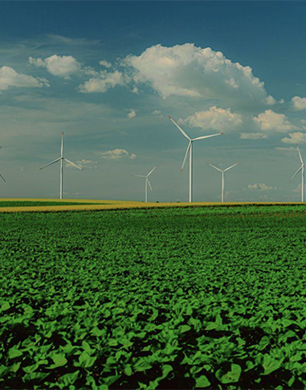
Photo Credit: www.pexels.com
Renewable energy is becoming more vital to society. Governments, companies and communities are investing in wind farms, storage, better infrastructure and cleaner fuels for long-term energy security. Consumers are driving the industry to be more efficient, flexible and easy for people to use.
But progress will require technology that addresses problems, not just cleaner power. Renewable energy specialists, such as GSM Ltd (gsmlimited.com), are seeing greater interest in systems, materials and solutions for a more reliable renewable energy future. Three technologies have the potential to revolutionise energy production, storage, delivery and use.
- Energy Storage Advanced
Energy storage is vital as renewable energy innovation relies on nature. Wind patterns altering provide the power for wind turbines, while sunny hours yield more from solar panels. Without robust storage devices, we squander additional power during high output, and supply may fall when generation declines.
New technologies like thermal storage, long-term storage and improved batteries are helping to address this difficulty. These technologies enable you to store and discharge renewable energy when demand is high. Better storage can bring down fossil fuel backup systems and stabilise the grid for households, businesses and utilities. That can make renewable electricity more reliable in remote locations, during peak demand and after storms and infrastructure failures.
- A Smart Grid
In a one-way power grid, large power plants generate and distribute electricity to users. Renewable energy changed the situation. Solar farms and rooftop panels, wind farms, batteries, electric vehicles and distributed energy systems generate power. That’s a lot of moving pieces to manage without wasting energy or putting undue burden on infrastructure. We need a smarter grid.
Smart grids use sensors, automation, digital monitoring and data analysis to manage supply and demand. They can help utilities detect flaws more quickly, manage peak energy demand, and integrate renewable sources more effectively. Smart grids can help consumers manage energy, pricing and outages at home and work. The smart grid is becoming essential as we move to more unpredictable renewable energy sources and as clean power becomes a necessity.
- Green Hydrogen
Green hydrogen is gaining traction as it can power hard-to-electrify regions. It’s produced by splitting water into hydrogen and oxygen using renewable electricity. The technique can provide low-emission gasoline and clean power. This appeals to steel, shipping, aviation, heavy transport and the chemical industry, where direct battery use may be inefficient.
Cost, infrastructure, and size are the challenges. Green hydrogen still requires major investment in production, storage, transport and end-use systems. But the promise is big. Long-term storage for renewables, fuel for industry, and pollution reduction are areas where solar panels and batteries might not be enough. With infrastructure development and declining costs, green hydrogen might be a crucial link between renewable electricity and heavy industries.
Next Energy Change
Technology that makes clean power practical will disrupt the renewable energy industry. Smart grids solve complexity, advanced storage addresses intermittency, and green hydrogen can bring renewables to slow-decarbonising enterprises. All technologies have issues, but they all point to a more flexible and lasting energy system. The renewable energy market goes beyond clean electricity. It provides businesses with usable electricity at the right time and place. Renewable energy can boost economic growth, industrial change, and long-term environmental progress as technologies advance.