


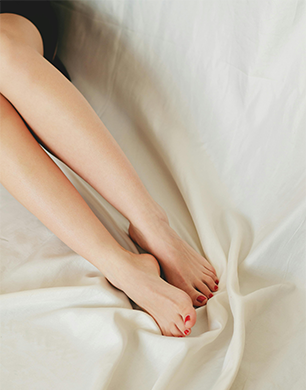
Photo Credit: Tamara Elnova via www.pexels.com
Spider veins (Telangiectasia) are a common condition where the veins or the walls of blood vessels become damaged. This article explains what a spider vein looks like, where it comes from and what treatments are available. It is worth first establishing that spider veins are almost always completely safe and not a cause for concern about any wider health conditions. As this is the case, most spider vein removal treatments are intended to remove them for aesthetic (rather than health) reasons. This reason is also valid and should be considered, especially if these veins negatively affect your body image.
Read on to learn more and figure out the best route for you.
What does a spider vein look like?
Spider veins, sometimes called thread veins, look like spider webs or small threads. Here are some traits to help identify them:
- They are thin, usually visibly coloured (purple, red, blue) lines.
- They are below the surface and do not bulge out (this would be a varicose vein).
- They are usually only visible and are generally not felt.
Where are the common places to get spider veins?
The most common place for spider veins is on your legs, more specifically, your lower legs, but they can occur anywhere on the body or face.
These are the specific common areas:
- The legs, specifically the lower legs and behind the knees.
- The face, on your cheeks or nose.
- Hands and arms, this is more common with age as the skin thins.
- Ankles or the tops of feet.
What causes spider veins?
As spider veins are so common, it is difficult to pin down one ‘cause’; rather, certain factors increase your likelihood of getting them.
Here are some of these factors:
- Smoking causes the veins to constrict; it is also toxic and can cause damage to the veins and worsen their function.
- Alcohol causes veins to dilate and puts more pressure on the veins.
- Sun exposure can damage the skin and the blood vessels beneath it and can also cause the skin to thin.
- There is also a genetic component to spider veins, so if you have a genetic predisposition, you are more likely to have them.
- Temperature changes can cause your veins to constrict or dilate, which puts strain on them.
- Some hormones dilate your blood vessels, making them more visible.
- Inactivity or prolonged sitting or standing can decrease healthy blood flow.
- Obesity puts pressure on veins, worsens circulation and increases inflammation.
- Old age causes skin thinning and worsening circulation.
- Direct damage to veins or blood vessels from trauma.
What treatments are there for spider veins?
If you’re wondering how to remove spider veins, there is a range of treatments available, from simple solutions to more severe treatments.
Here are a few of the options:
Compression
- Wearing compression clothing can improve circulation, which can help target spider veins.
Pulsed light
- Pulsed light therapy uses light to heat and damage the walls of blood vessels, causing them to collapse and be reabsorbed by the body.
Laser
- Focused light and lasers target spider veins, destroying them without damaging the surrounding skin.
Vein stripping
- This is a surgery to remove veins that would only be needed in serious cases.
Is a spider vein treatment right for me?
When deciding whether to get a treatment, the first thing to consider is whether the spider veins are bothering you. If they don’t, then you don’t need to worry – they are completely normal and fine! If they do bother you, then there are different things you can try.
Depending on the severity of your spider veins, you can try a completely non-invasive, inexpensive method like compression clothing first to see if it works. Following that, get a consultation with a trusted clinician who can discuss your options in more detail.