


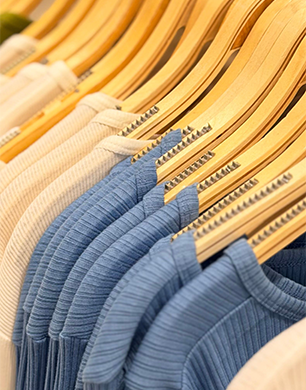
Photo Credit: Swarup Sarkar via www.pexels.com
If you’re a business looking to source large quantities of garments, you’ll need to identify a suitable wholesale clothing supplier. This process is pretty similar to choosing any other B2B supplier, but there are a few specifics that can make it easier to understand the process.
From identifying your clothing needs to assessing the suitability of various prospective suppliers, here’s how the process works.
Identify your needs
Before you even start looking for a potential wholesale clothing provider, you need to get clear on what it is that you need.
Are you looking for a source of customised employee uniforms for your restaurant? Do you need to place huge orders for your own emerging clothing brand? Do your items need to meet any specific safety standards?
There are a range of questions you’ll need to answer before you can start your search. The clearer you are on these answers before that search starts, the better.
Find potential suppliers
Next, you can start looking at potential wholesale clothing suppliers like Screen Textiles. Gather a range of potentially suitable options, so that you have a handful to compare. After all, it’s difficult to know if what you’re looking at is actually impressive if you have no direct comparisons.
Assess suitability
Next, you can start to assess suitability across a number of different metrics.
General suitability
First, are they more generally suited to your requirements? Does the supplier have what you need? Whether that’s customised T-shirts with embroidered company logos or large quantities of blank hoodies, this is the most basic thing to check to narrow down your options.
Product quality
Next, you can compare the quality of these items from various suppliers. Ask for specifications on metrics like thread count, fabric GSM, material type, available sizes, and whether or not the items come pre-shrunk.
You should also ask to see some samples, and inquire about how they maintain a high level of quality control across the batches they send out.
Supply specifics
If the supplier has the perfect garments for your needs, you’ll need to make sure that they can supply them in the way you need. Clarify their minimum and maximum order volumes, how long it takes for delivery, and how changes in future order volume might affect that.
Cost
Lastly, cost. If you’re buying in bulk, even tiny differences in per-item cost will become amplified in larger orders, especially if you then repeat those orders multiple times over the years to come.
If you’ve found several suppliers that all meet your garment requirements, and they’re all equally easy to communicate and otherwise deal with, then it will likely come down to cost.
The wholesale clothing process clearly isn’t that complicated, but it does require some due diligence. It can take a while to complete these back-and-forths with potential suppliers, although if the suppliers are quick to respond, that is another good sign. Whatever you do, don’t rush into it, especially if you will need to use a clothing supplier well into the future. Get it right the first time, and save yourself a lot of trouble.