


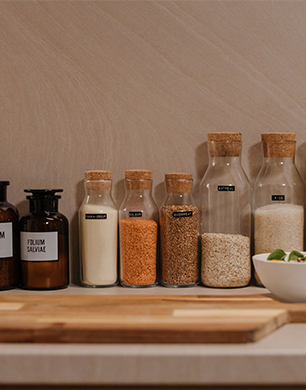
Photo Credit: Cottonbro Studio via www.pexels.com
Many homeowners are now looking beyond decorative trends to focus on changes that make daily life easier and more comfortable.
With energy costs still on people’s minds and homes working harder than ever, practical upgrades often deliver more value than another display shelf or statement accessory.
The best improvements help you feel more comfortable without filling your rooms with extra visual distractions. Here are some areas you could look to upgrade.
Better air quality and ventilation
A comfortable home starts with fresh air. If your property feels stuffy, suffers from condensation or regularly collects moisture on windows, poor airflow could affect both comfort and indoor air quality.
Modern homes often retain heat more effectively than older properties, but tighter construction can also trap stale air. Options such as extractor fans with humidity sensors provide a simple improvement in kitchens and bathrooms.
For larger projects, mechanical ventilation with heat recovery offers a whole-house solution that continuously replaces stale indoor air while retaining much of the heat that would otherwise escape.
You can also support better airflow by keeping vents clear, cleaning filters regularly and checking that furniture does not block radiators or ventilation points. If fresh air can move efficiently through a property, rooms often feel more pleasant without needing additional heating.
Storage solutions that disappear into the design
Visible clutter can make even a generous room feel cramped. Instead of adding more freestanding furniture, consider storage that blends into the structure of the room.
Built-in wardrobes make use of awkward alcoves while keeping clothing and household items out of sight. A window seat with integrated storage creates somewhere to sit while providing space for toys, bedding or seasonal decorations. In smaller homes, an ottoman bed can store bulky items that would otherwise occupy valuable cupboard space.
Start by identifying items you use regularly and those you access only occasionally. This simple exercise helps you position storage where it works best. Once everyday objects have a designated place, cleaning becomes quicker, and living spaces start to feel calmer and more spacious.
Energy efficiency for everyday comfort
Many people associate energy-efficient upgrades with lower bills, but they also improve comfort throughout the year. A well-insulated home maintains a more consistent temperature, reducing cold spots in winter and helping rooms stay cooler during warmer weather.
Loft insulation often provides one of the most cost-effective improvements because heat naturally rises and escapes through the roof. Draught-proofing doors, windows and floor gaps can also make a noticeable difference. Instead of sitting near a chilly window or reaching for an extra jumper indoors, you can benefit from a more even level of warmth across the house.
Check for draughts on a windy day before deciding which areas need attention. Small fixes in the right places often combine to create a much more comfortable living environment.
Smart technology for simpler daily living
Smart technology can have a subtle impact that supports your routine rather than demanding constant attention. A smart thermostat, for example, learns your schedule and warms your home when needed, reducing the need for manual adjustments.
Energy-monitoring devices help you understand where electricity goes each month, making it easier to spot wasteful habits. Automated ventilation controls can respond to humidity levels without requiring regular intervention.
The best approach is to choose technology that solves a specific problem. Focus on practical benefits rather than novelty, so smart features can improve daily comfort while keeping your living spaces tidy and uncomplicated.