


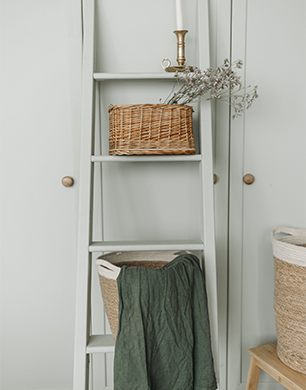
Photo Credit: Pavel Danilyuk via www.pexels.com
Nothing about a house has to change size for it to start feeling tight. More often, it’s simply that daily life quietly outgrows the space provided for it.
- When everyday spaces start feeling crowded
Rooms that once felt generous can start to close in as belongings accumulate faster than they’re cleared out. A wardrobe that used to have room to spare, or a landing cupboard that once held only the essentials, can end up overflowing as circumstances shift, whether that’s a growing family, a new hobby, or simply years of accumulated purchases. It’s a widely shared experience too: a recent nationwide survey found that close to a third of UK adults feel they don’t have sufficient storage at home, with the figure notably higher among younger households.
- Making better use of the space you already have
Instead of jumping straight to the idea of a bigger property, it’s worth taking stock of how efficiently the current one is being used. Off-season clothing, old paperwork, and rarely-touched equipment often sit in prime storage spots simply because nobody’s got round to moving them elsewhere. Clearing these items out of daily-use areas, even without removing them from the household entirely, can change how a home feels day to day.
- Creating breathing room without letting go of everything
Some possessions aren’t ready to be sold, donated, or binned, even if they’re not needed on a daily basis. Using the Corby self-storage, for instance, can offer a practical middle ground, keeping these items safe and accessible while reclaiming the room they were taking up at home. It’s an option that tends to suit families who’ve built up sentimental or seasonal belongings over the years but aren’t in a position to part with them for good.
- Letting your home adapt as life changes
What a household needs from its space rarely stays fixed. A box room can turn into a nursery, a garage can be reclaimed for a workshop, and a loft can end up holding an entirely different set of belongings than it did a decade earlier. This kind of flexibility is built into how people manage their homes; the UK’s self-storage sector has continued to expand as more households look for adaptable ways to store what they own. Making room to shift belongings around, rather than treating storage as fixed, means a home can keep up with whatever comes next.
A cramped home isn’t always a sign it’s time to move. Often, it just needs a better system for everything already inside it.