


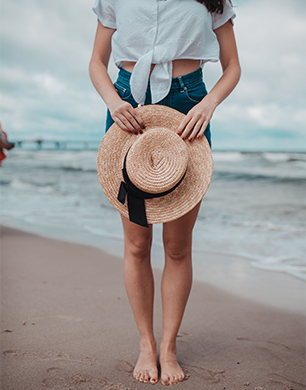
Photo Credit:
Inka Kapturewska via www.pexels.com
Why some summer outfits always look effortless
A wardrobe can hold plenty of clothes and still make summer mornings feel difficult. We check the weather, think about the day ahead and start testing outfits. One dress feels too casual. Another looks too formal. A third needs shoes that are nowhere to be found. We then lose time creating a fresh look for a plan that may last only a few hours. A clearer approach begins with fewer, better choices. By choosing versatile summer dresses as the base, we can build outfits that move between work, weekends and evening plans. The supporting pieces stay simple: a light shirt, a relaxed jacket, practical footwear, and understated accessories. This formula does not remove personal style. It gives it a reliable structure.
We will explore which fabrics, shapes and styling details make that structure work. Linen, cotton blends and fluid woven cloth can keep an outfit cool while helping it look polished. Length, neckline, sleeves and drape decide whether a dress feels relaxed or refined. Shoes and layers then adjust the mood without changing the whole look. This approach reduces decision fatigue because we stop treating every occasion as a reason to start again. Repeating a strong base does not make you look repetitive. Trainers, sandals, tailoring, bags and jewellery can make the same dress feel quite different. The result reflects quiet luxury and practical, affordable luxury. Value comes from thoughtful design, comfort and repeat use, not price alone.
How to start with a versatile summer dress
A dress creates a complete silhouette in one step, which makes it a strong summer foundation. The most useful styles usually have balanced shapes rather than details tied to a single event. Midi and ankle lengths work well because they suit many types of footwear. They can look relaxed with sandals, modern with trainers or smarter with loafers and refined heels. A straight cut gives a clean outline, while a softly defined waist adds shape without feeling too formal. The dress should also allow easy movement. It needs to feel comfortable while walking, sitting or travelling across town.
Sleeves and necklines help set the level of formality. A round neck feels calm and simple. A soft V-neck adds definition, while a square neck creates a clearer frame. Sleeveless dresses are easy to layer, though short sleeves may feel more complete when worn alone. Colour and print matter too.
Look for:
- A length that works with several shoe styles
- A neckline that suits both day and evening
- Fabric that moves without clinging
- Well-finished seams and a balanced hem
- A colour or print that matches existing accessories
A versatile dress should fit your real routine, not one imagined occasion.
What breathable fabrics add to the outfit
Linen is a useful example of how comfort and understated style can coexist in a single garment. Its texture gives a dress character without extra decoration. It also allows air to move, which matters during warm days. Fabric weight still needs attention. Very thin linen may become sheer or lose its shape. A medium-weight weave often feels more polished because it holds its line while remaining light. Some creasing is natural, but the dress should still drape well after several hours of wear.
Cotton blends can offer a smoother finish and may crease less. Lightweight woven fabrics create a neater outline, so they suit work and city plans. Selected fluid materials bring softer movement and may feel more refined for dinner or an event. Texture, weight and drape all influence how the dress is read.
- Linen gives relaxed texture and breathability.
- Cotton blends often keep a cleaner shape.
- Crisp woven cloth creates a sharper finish.
- Fluid fabric adds movement and softness.
- Good weight helps prevent clinging and transparency.
The best fabric is not simply the lightest one. It should feel cool, hold its form and suit more than one setting.
How the three-piece summer formula works
The formula has three parts: one versatile dress, one lightweight layer and one choice of footwear or accessories. The dress creates the main shape. The layer changes the structure. Shoes and accessories decide how casual or polished the outfit feels. This keeps daily dressing simple because only one or two details need to change. The wardrobe can stay small, yet still support different plans.
- Choose the base
Start with a dress that looks complete on its own. Neutral shades are easy to repeat, but soft colours and subtle prints can work just as well.
- Add a light layer
An open linen shirt creates a relaxed line. A cropped jacket defines the waist. A hip-length blazer adds structure through the shoulders. A lightweight cotton jacket gives shape without making the outfit feel heavy.
- Set the mood
Flat sandals suit daytime. Trainers work for a relaxed city plan. Loafers or ballet flats add polish, while refined sandals or low heels suit evening.
- Finish with restraint
Choose one main detail, such as a belt, a bag, or a piece of jewellery. Too many accents can make a simple outfit feel busy.
This formula works because each item has a clear role.
How footwear and layers change the same dress
Footwear can alter a dress faster than almost any other styling choice. Flat sandals create an easy daytime mood. Trainers make the outfit practical for walking, travel or weekend plans. Clean, simple trainers usually work best because they do not overpower the dress. Loafers and ballet flats sit between casual and formal. They can suit work, lunch or an informal meeting. Refined sandals and low heels make the same dress feel ready for dinner or a summer celebration.
Layers change the overall balance. A cropped jacket works well with a fuller skirt because it keeps the waist visible. A relaxed blazer brings structure and gives a soft dress a smarter edge. An open linen shirt makes a fitted dress feel less formal. Longer shirts create a loose, easy outline, while shorter layers sharpen the shape. Colour also affects the result. A tonal layer feels calm and refined. A controlled contrast adds interest without taking over.
Useful combinations include:
- Sandals with a soft bag for daytime
- Trainers with an open shirt for weekends
- Loafers with a relaxed blazer for work
- Refined sandals with a compact bag for evening
- A cropped jacket when the dress needs more shape
Small changes work best when the base dress already fits well.
How to style one dress for three occasions
Start with a neutral linen-blend midi dress with a clean neckline and softly defined waist. A dress like this from Massimo Dutti serves as a useful editorial example because its simple shape leaves room for different styling options. For a workday or city plan, add a relaxed blazer, loafers, and a structured tote. Keep jewellery light. The tailoring creates shape, while the footwear adds polish without looking too formal.
For the weekend, remove the blazer and add an open linen shirt. Choose trainers or flat sandals and carry a soft crossbody bag. The outfit now feels relaxed, though the main silhouette remains unchanged. For dinner or a summer event, switch to refined sandals, a compact bag and one stronger accessory. A slim belt can define the waist. Fine earrings or a simple cuff can add focus.
The formula is easy to remember:
- Work: blazer, loafers and structured tote
- Weekend: linen shirt, trainers and soft bag
- Evening: refined sandals, jewellery and compact bag
The dress stays the same. The surrounding details decide where it can go.
Why thoughtful choices create greater wardrobe value
Affordable luxury is less about a fixed price and more about the link between design, use and quality. A dress that works across several settings may offer better value than one bought for a single event. Construction matters. Seams should sit flat, hems should fall evenly, and fastenings should feel secure. The fabric should hold its shape after sitting and should not twist after washing. Fit matters too. A dress that slips, pinches or needs constant adjustment will rarely become a trusted piece.
Care should suit daily life. A garment may look refined, but difficult care can limit how often it is worn. Colour also affects long-term use. Neutrals are practical, though muted blue, olive, soft pink and subtle prints can be just as flexible. Seasonal trends can enter through smaller details instead of replacing the wardrobe base.
Use bags, belts, sunglasses, jewellery or footwear to update the look. One controlled contrast often feels more polished than several competing colours. This is the practical side of quiet luxury: good cut, useful design and confident repeat wear.
Make summer dressing easier this season
Effortless summer style comes from balance rather than endless choice. We need a dependable dress, a breathable layer and a few finishing pieces that work together. Fabric, fit, colour and construction create the foundation. Shoes, bags and accessories then adapt it for work, weekends and special occasions.
Choose one dress from your wardrobe and style it three ways. Try trainers and a linen shirt, loafers and a blazer, then refined sandals and a compact bag; notice which details most change the mood. We can make summer dressing calmer by buying fewer items for individual occasions and using strong pieces more carefully. Start with one reliable formula, repeat it with confidence and let every garment earn its place.