


Photo Credit: TurnKey Apartments via www.pexels.com
There are many factors to consider when it comes to kitchen upgrades. A kitchen sink is one of them. With an array of options and jargon that can be hard to understand, you must do your research before committing to one. Here are some points to consider to ensure you get the best option.
Selecting the Right Material for Durability
The kitchen sink goes through a lot, which is why the material you choose needs to be easy to clean, maintain and able to withstand day-to-day wear. The material you pick shapes how your sink wears over time and how easy it is to live with.
- Stainless steel remains a popular choice because it resists rust, copes well with heat, and handles daily knocks without chipping. Thinner gauges can feel noisy, so look for a thicker steel with sound-dampening pads to keep things quieter.
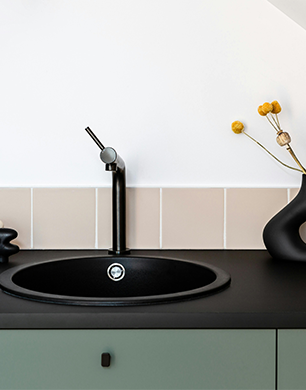
- Composite granite feels solid and resists stains when you clean it promptly. Darker shades can disguise marks between deeper cleans, which helps in busy households.
- Ceramic sinks suit traditional kitchens and handle heat and staining well, but you need a little more care to avoid chips from dropped cookware.
When you browse kitchen sinks, think about what materials suit your lifestyle and routines, as well as taste. Choose a finish you can maintain without effort.
Choosing the Best Sink Style and Configuration
There are different styles of sinks you can choose from.
- A single-bowl sink gives you uninterrupted space, which helps when you wash roasting tins or fill large stockpots.
- In a compact kitchen, that extra room can make cleaning up less of a juggle.
- A double-bowl layout divides tasks; you can soak dishes on one side while rinsing vegetables on the other, which suits homes where cooking overlaps with clearing down.
- A deeper bowl hides the mess and reduces splashing, but it can strain your back if your worktop sits low.
- A mid-depth bowl often strikes a better balance for everyday use.
Understanding Installation Types
Installation influences both the look and the cleaning routine. An inset sink sits within a cut-out in the worktop. This usually costs less to fit, works with most surfaces and installs quickly. You will, however, need to wipe crumbs towards the edge rather than straight into the bowl, as the rim creates a slight lip.
Undermount sinks fix below the worktop, creating a smooth run from surface to basin. This setup suits solid worktops such as quartz or granite and makes wiping down after cooking simpler. Belfast or apron-front sinks protrude slightly and add character, especially in period-style kitchens, while offering generous capacity for larger items.
Considering Practical Features and Accessories
Small details can noticeably improve how the sink performs.
- Drainers give you a dedicated place for wet dishes, which helps when you don’t run a dishwasher every day.
- If space is tight, a removable drainer board or a roll-up rack can provide flexibility without taking over the worktop.
- Integrated ledges inside the bowl let you rest chopping boards or colanders, turning the sink into a mini prep station that saves space elsewhere.
- Pull-out sprays speed up rinsing and make it easier to clean the bowl itself.
- Waste disposal units suit households that generate a lot of food waste, though you should check noise levels and local regulations before committing.
- Even simple choices, such as a basket strainer that catches debris, cut down on time spent clearing blocked pipes.
Choose features that remove friction from your daily routine, rather than adding complexity you won’t use.