


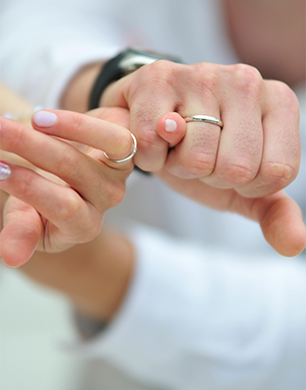
Photo Credit: Alexander Zvir via www.pexels.com
A wedding ring is a small object, but it carries weight far beyond its size. For men, these rings have often been understated, functional, and quiet, yet they are full of subtle stories about identity, taste, and tradition. Today, there is a much broader spectrum available. With a wide range of mens wedding bands now on offer, the choices extend beyond plain gold to include different metals, textures, and designs that balance style, durability, and personal meaning.
The Evolution of Men’s Wedding Rings
Historically, men were slower to adopt wedding rings than women. While engagement and marriage rings for women have centuries of tradition behind them, men’s bands became common only in the twentieth century. The Second World War played a pivotal role. Soldiers began wearing rings as tangible reminders of loved ones back home, introducing the idea of a daily, wearable symbol of commitment.
Early bands were simple, often yellow or white gold, functional and unobtrusive. They were not meant to make a statement but to serve as a practical, enduring token. Over time, societal norms evolved, and men’s rings began to embrace design alongside functionality. Modern preferences now reflect individuality and lifestyle while still honoring the symbolic nature of the wedding ring.
Choosing the Right Metal
The choice of metal defines much about the look and feel of a band. Gold remains a classic option, but it now comes in several tones. Yellow gold has warmth and a timeless quality. White gold feels crisp and contemporary, often appealing to those seeking elegance without ostentation. Rose gold offers a softer, slightly unexpected alternative that can feel personal and distinctive.
Platinum, known for its durability and heft, is valued for its ability to age gracefully, developing a soft patina over time. Tungsten, titanium, and zirconium have gained popularity for their strength and modern aesthetic. These metals resist scratches and dents, making them practical for everyday wear. A man’s lifestyle often informs his choice: someone physically active may prefer durable materials, while those with office-based routines may focus on polish and weight.
Shape, Fit, and Wearability
The shape and profile of a ring are subtle yet powerful design elements. Flat bands often communicate modernity and precision, while slightly domed profiles feel more traditional and comfortable. Comfort-fit interiors, which curve slightly on the inside, make long-term wear easier and are particularly popular.
Width plays a crucial role in perception. Narrower bands tend to look refined and minimal, whereas wider bands feel bolder and more substantial. Trying on different widths often shifts perspective, as a band that appears striking in a display can feel entirely different when worn every day.
Texture and Subtle Details
Modern mens wedding bands often incorporate texture and small details to enhance personality without compromising simplicity. Matte finishes provide understated elegance, brushed surfaces offer a soft, tactile appearance, and hammered textures create an artisanal, handcrafted feel. Small grooves, inlays, or subtle patterns can distinguish a ring without making it overly ornate.
Engraving is another way to personalize a band. Dates, initials, or short phrases are often hidden on the interior, creating a private story. These details allow the ring to remain understated in public while holding deep significance for the wearer.
Coordinating or Contrasting
Couples today frequently debate whether their rings should match. Traditionally, matching rings symbolized unity, but contemporary perspectives allow more flexibility. Some men choose a band that complements their partner’s ring in metal or profile. Others deliberately select a contrasting style to reflect individuality. Both approaches communicate connection while honoring personal taste.
This flexibility mirrors broader trends in weddings, where rituals are often personalized. Even within tradition, there is room for expression, and wedding bands serve as one of the quietest ways to explore that balance.
Practical Considerations
A wedding ring is worn every day, so practicality is a significant factor. Rings need to withstand daily routines, from typing at a desk to working in hands-on environments. Durable metals, low profiles, and smooth finishes all contribute to longevity and comfort. Small ergonomic adjustments, like gently rounded edges or subtly contoured interiors, make a ring feel integrated rather than intrusive, which is essential for something meant to last decades.
Even subtle practical details influence the long-term experience of a ring. A band that catches on clothing or gloves may be abandoned, while one that fits naturally becomes almost invisible in daily life, reinforcing its symbolic and emotional significance.
Generational Shifts and Values
The design of modern mens wedding bands is shaped by more than just aesthetics. Cultural values, generational perspectives, and lifestyle considerations all play a role. Sustainability and ethical sourcing are increasingly important, influencing choices of metal and manufacturing processes. Heritage or family tradition may guide preferences, while personal expression influences finish and detail.
This combination of tradition and contemporary values adds depth to the meaning of a wedding band. Beyond its visual appearance, it becomes a small artifact that represents identity, ethics, and personal taste, while continuing to fulfill its symbolic role in marking commitment.
Aging Gracefully
Wedding bands are unique in their ability to age with their wearer. Metals develop patinas, textures acquire subtle marks, and each scratch tells a story. This transformation can be celebrated as a visible record of life and shared experiences, adding character and authenticity to the ring. Some wearers prefer to polish and maintain the surface, but either approach allows the ring to become part of the wearer’s narrative over time.
The Enduring Appeal of Variety
One of the most interesting aspects of modern mens wedding bands is the wide range available today. Choices now span metals, finishes, widths, shapes, and textures, offering almost limitless ways to reflect personality and lifestyle. From understated, minimalist bands to textured or subtly detailed designs, there is something to suit nearly every taste and preference.
This diversity also signals a broader cultural shift. Men’s wedding rings are no longer purely functional objects. They are symbols of commitment, but also tools for personal expression. They can blend tradition with modernity, comfort with style, and subtlety with individuality.
A Small Object with Lasting Meaning
A wedding band may seem like a minor detail in the broader context of a wedding, but it is often the longest-lasting element. It accompanies daily routines, milestones, and ordinary life moments alike. Over time, it becomes both a symbol and a companion, quietly witnessing life while retaining its understated elegance.
The evolution of modern mens wedding bands demonstrates that even a simple circle of metal can carry immense meaning. They balance practicality, comfort, and aesthetic appeal while holding space for personal stories, ethical considerations, and individual taste. In their quiet way, they remain one of the most enduring symbols of commitment, identity, and shared life.