


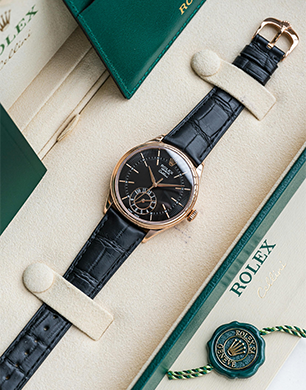
Photo Credit: Quang Viet Nguyen via www.pexels.com
Throughout history, wristwatches have served as emblems of personal identity, leadership, and legacy. In the realms of politics, business, and entertainment, the watch worn on the wrist often speaks volumes about its wearer’s values, priorities, and public image. This article explores the timepieces selected by influential figures, from presidents to cultural icons and the enduring status of the watches they wore.
The Power of a Watch – Symbolism and Status
A watch is one of the most intentional style choices a person can make, especially in positions of influence. Among business leaders, politicians, and public figures, it acts as a signal, revealing more about personal values and image than most accessories ever could.
Some favour restraint. Slim, minimal dress watches in steel or white gold reflect discipline, clarity, and discretion. These are often worn by those who value tradition and prefer to project quiet confidence. Understated models speak to those who lead without needing to draw attention.
Others take a bolder approach. Gold cases, distinctive dials, and larger proportions are chosen by individuals who want their success to be visible. For them, a watch is not just functional; it’s a declaration of status, legacy, or ambition.
Presidential Choices – Watches Worn in the White House and Beyond
In American politics, even the smallest personal detail can carry meaning, and watches are no exception. Over the decades, U.S. presidents have worn a wide range of timepieces, each reflecting a different approach to leadership, style, and public perception.
John F. Kennedy wore a tank-style Omega Ultra Thin, gifted by his close friend Grant Stockdale, then a senator from Florida. The watch was engraved “President of the United States John F. Kennedy from his friend Grant”, and accompanied him at his inauguration in 1961. Now part of the Omega Museum collection, the piece remains one of the most historically significant watches linked to the American presidency.
Barack Obama wore a TAG Heuer Series 1500 dive watch for many years, beginning in the early 1990s after he graduated from law school. Featuring a white dial with a two-tone stainless steel and gold case, the watch accompanied him through much of his early political career and remained in rotation during his presidency. Later in his presidency, he was also seen wearing a Jorg Gray 6500 chronograph, gifted by his Secret Service detail, which further cemented his preference for contemporary, accessible timepieces.
Joe Biden has preferred classic, enduring watch designs throughout his political career. Since taking office, he has frequently worn a Rolex Datejust, a stainless steel model with a blue dial and Jubilee bracelet. Its clean lines and balanced proportions make it a versatile choice, pairing well with formalwear while still reflecting the prestige of the Rolex name.
That association deepened with Lyndon B. Johnson, who wore the Rolex Day-Date in yellow gold throughout his presidency. His choice helped popularise the watch’s unofficial title: “The President’s Watch.”
Cultural Titans – What Watches Say About Creative Icons
Steve McQueen, a Hollywood actor and motorsport enthusiast, brought global attention to the TAG Heuer Monaco. Worn in the 1971 film Le Mans, the watch with its distinctive square case and chronograph layout became synonymous with McQueen’s cool, effortless masculinity. While he wasn’t a TAG Heuer ambassador, the Monaco became part of his visual identity and has remained a collector’s favourite ever since.
Elvis Presley, no stranger to flamboyant fashion, had an equally eclectic taste in watches. His collection featured the Hamilton Ventura, known for its futuristic, asymmetrical case—a design that aligned perfectly with his bold sense of style and trend-setting approach to fashion. He also wore an Omega Constellation during his military service, offering a more traditional counterpoint to his stage persona. These choices reflected the contrast in his public and private life, and how fashion was central to how he shaped his image.
Paul Newman’s association with the Rolex Daytona is now legendary. A single Daytona, given to him by his wife Joanne Woodward and worn daily for years, sold at auction in 2017 for $17.8 million, making it one of the most valuable wristwatches ever sold. The model’s connection to Newman wasn’t the result of a marketing campaign but of genuine use. He wore it for racing, timing laps, and daily life, turning it into a cultural artefact purely by association.
The Legacy of Time – Why These Watches Matter Today
Watches worn by influential figures often take on meaning far beyond their original purpose. Whether tied to political history or cultural milestones, these timepieces become part of a lasting legacy.
Some are treasured as heirlooms, passed down through generations. Others gain value as investments, particularly when associated with specific moments or individuals. Over time, their significance shifts.
What makes these watches endure is not just how they were made, but who wore them and what they came to represent.
If You Want the Watch of an Icon…
Watches worn by cultural or political icons carry strong appeal, but the best choice is always the one that suits your own story. Focus on wearability and meaning, not just the name on the dial.
For those considering buying a Rolex Day-Date, it’s worth remembering what the watch represents: legacy, confidence, and status. Its all-gold construction and distinctive design make it a bold, high-impact piece. If the Day-Date feels too formal or prominent, models like the Datejust or Oyster Perpetual offer a more versatile alternative while retaining Rolex’s core identity.
When purchasing, pay attention to condition, originality, and whether the box and papers are included. Rarer configurations can enhance both desirability and long-term value.
Whether it’s a presidential Rolex or a lesser-known vintage classic, the most enduring watches are the ones that feel authentic to you.