


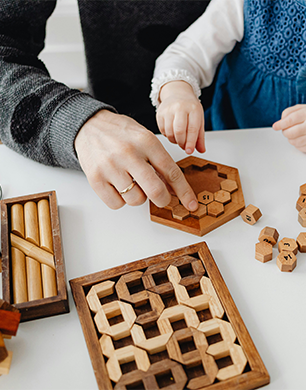
Photo By: Kaboompics.com via www.pexels.com
As parents, we try. We worry. We wonder if we’re doing enough. Are they learning what they should? Are they falling behind? Getting bored? And maybe most of all: are they actually enjoying any of it? Let’s face it, school gives them the framework, but home is where learning takes root. It’s where the sparks fly. Especially when it comes to the three Rs—reading, writing, and arithmetic. Those old-school essentials are still the core of everything. They’re what unlock the rest. And the truth? They don’t have to come from textbooks. These days, you can build those skills through games, toys, and moments. Things that don’t look like learning but totally are. Here’s a roundup of 20 smart toys and games that quietly teach the three Rs while your kid is too busy having fun to notice.
1. Osmo Genius Starter Kit
There’s something magical about seeing kids interact with both a screen and real-world pieces. Osmo nails that. Your kid places letter tiles or number pieces in front of the iPad, and the app responds. There’s feedback. There’s movement. There’s laughter. It’s the kind of learning that just feels different. Like play that matters.
2. LeapFrog LeapReader
Imagine your child is holding a pen that sounds out every word they point to. It’s like having a patient reading buddy who never gets tired. For kids just starting their literacy journey, that’s huge. And when they start tracing letters too? It’s writing practice without the frustration. Just gentle steps forward.
3. Scrabble Junior
Somehow this classic always finds its way back to family tables. But the junior version? It’s the gateway. Kids match letters, form words, and light up when they realise they know what they’re doing. The board does a lot of the work early on. And then they start stretching, trying their own combinations. That’s when the magic clicks.
4. ThinkFun Zingo Word Builder
It’s bingo, but smarter. You’ll love how it nudges them toward spelling and word formation without feeling like a worksheet. Suddenly, they’re matching consonants and vowels and shouting out words with more pride than you thought possible over three-letter combos.
5. MathLink Cubes
These look like simple blocks—until your kid starts making patterns, grouping them by fives, or solving puzzles you didn’t know they could. The tactile feedback is real. There’s counting, there’s adding, but there’s also problem-solving. It’s quiet math—deep math—that unfolds through play. And sometimes, that’s the best kind.
6. Story Cubes
A roll of the dice, a scatter of images, and suddenly your living room becomes a dragon cave or a spaceship hangar. These cubes don’t teach grammar; they teach guts. Kids tell stories—out loud, on paper, in scribbles—and their confidence grows with each tale. It’s writing without the fear of the blank page.
7. Melissa & Doug Magnetic Chalkboard
Sometimes, old-school really is best. One side chalk, the other dry-erase, magnets thrown in for good measure. Kids draw letters, write math problems, spell their names twenty different ways. And when they mess up? Erase. Try again. That do-over freedom? It teaches perseverance as much as it does penmanship.
8. SmartGames IQ Fit
At first glance, this one’s all colours and shapes. But stick with it. The puzzles get harder, and suddenly your child is solving spatial problems that require legit brainpower. It’s not about numbers or words, but it sharpens the very skills that support both. Like reasoning. Like patience. Like seeing patterns no one else sees.
9. Bananagrams
No board. No points. Just tiles and speed. You dump them out, and suddenly your kitchen table turns into a word race. Kids spell what they know, guess what they don’t, and learn a whole lot by just trying. There’s no waiting for turns. It’s chaotic. It’s competitive. And yeah—it’s completely brilliant for spelling.
10. Learning Resources Write & Wipe Pockets
You print one worksheet. Slip it in. And now it’s reusable. Kids trace letters, do math facts, and practice sentences. Then erase. Then do it again. It’s simple. But it’s genius, too—because repetition works. And the satisfaction of erasing? It’s more powerful than you think.
11. Kanoodle
Toss this one in your bag for the doctor’s office or car ride. Tiny pieces, big puzzles. It’s logic, it’s spatial thinking, it’s mental gymnastics in disguise. And if your kid gets hooked? You’ll see their problem-solving skills explode. That kind of brain stretch shows up in math scores. And in life.
12. LeapFrog Number Lovin’ Oven
This toy talks. It sings. It serves up pizza in halves and cupcakes in thirds. It’s a pretend kitchen where numbers rule, and your preschooler suddenly knows how fractions work. You won’t believe how much math hides in pretend play—until you hear them divide a pie like it’s second nature.
13. Spelling Puzzles By Skillmatics
There’s something about putting pieces together that just makes sense to kids. These puzzles don’t just test spelling—they teach it. You can’t fake your way through them. Every letter has to be right. And when it clicks? Your kid beams like they just cracked a secret code.
14. Educational Insights Hot Dots Pens And Cards
This pen talks, too. But better—it only responds when you choose the right answer. You’ve got cards full of math, reading, and grammar questions, and the pen becomes the judge. It’s instant feedback without a red pen. Kids get to self-correct. And that freedom to fail a little? It matters.
15. Classic Minesweeper
Minesweeper is a numbers game. You’ve got to deduce, calculate, and recognise patterns. Kids who love puzzles? They’ll devour it. And without even realising it, they’re building logical frameworks that carry over to math, reading comprehension, and more. Minesweeper is a great game for slightly older kids.
16. Tiny Polka Dot
Don’t let the cute name fool you—this one’s a ninja. It’s disguised as a preschool card game, but under the hood? Pure number sense. Counting, matching, quick math decisions. It teaches arithmetic the way it should be learned—through instincts and colour and little bursts of joy.
17. LEGO Classic Bricks And Ideas Set
There’s a reason LEGO has lasted through generations. It’s not just the creativity. It’s the sequencing, the planning, the symmetry, the counting. When they tell a story about the characters and things they create? That’s literacy in disguise.
18. Coogam Magnetic Letters And Numbers Kit
This isn’t your fridge magnet alphabet. It’s sturdy. Bright. The letters feel good in small hands. Kids arrange them into words, make up phrases, spell their names again and again. The tactile connection? It wires letters into memory. Throw in the numbers and you’ve got double duty learning.
19. Brain Quest Workbooks (Paired With Real-World Play)
Okay—yes, technically a workbook. But here’s the twist: use one page, then turn it into a scavenger hunt. If the page is about adding fruit, go count real apples in the fridge. If it’s about rhyming words, shout them out during bath time. Suddenly it’s not seatwork—it’s life work.
20. Sum Swamp
It’s a board game. It’s a math lesson. It’s also the wildest, silliest swamp your kid will ever get stuck in. Players roll dice to add and subtract across a gooey path of critters and challenges. It’s strategy mixed with fun, and somehow—without even realising it—your kid’s doing arithmetic like a champ.
Why Toys Make A Difference
You know this already: kids learn best when they don’t know they’re learning. Toys that teach? They whisper instead of shout. And those whispers become beliefs—like “I can do this.” That’s the shift. Toys give them space to try, fail, try again. No red marks. No grading. Just exploration. And when that exploration builds real skills? That’s when it sticks.
Blending Play And Structure
You don’t have to choose between flashcards and fun. You can have both. The best learning moments often come when the rules are soft, the laughter is loud, and the toy becomes the teacher. Set aside half an hour after dinner. Let your child lead. You’ll be amazed at what happens when you stop teaching and start playing beside them. They’ll surprise you. You might surprise yourself too.
Tailoring Play To Your Child’s Learning Style
Every kid has a different spark. Some catch fire with stories. Others light up with numbers. One might crave structure; another might need chaos. And that’s okay. That’s beautiful, actually. These toys aren’t one-size-fits-all—they’re more like keys. Try enough, and you’ll find the one that unlocks their potential. Your job isn’t to push—it’s to notice. What makes them sit longer? What makes them giggle? That’s where the real learning hides.
Long-Term Benefits
Here’s what no toy box tells you: the three Rs aren’t just academic skills. They’re life skills. Reading builds empathy. Writing builds expression. Math builds logic. You want a kid who can thrive in this world? Start with those. And if you build them through joy—through toys—they’ll carry that joy with them. Into middle school. Into adulthood. Into the moments that really count. The confidence they build when they solve a problem on their own? That doesn’t go away.
Learning That Lasts
We all want what’s best for our kids. We want them to grow up strong, kind, and curious. We want them to love learning, not just endure it. And sometimes, all it takes is a little game, a little time, and a little belief. So clear off the table. Grab some tiles, a board, a silly pen that talks. Watch what happens. Watch the shift. The giggles. The tiny triumphs. Because the truth is—this isn’t just play. It’s progress. It’s connection. It’s childhood, lived fully. And that? That’s worth everything.