


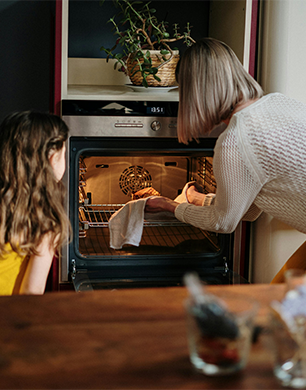
Photo Credit: cottonbro studio via www.pexels.com
People searching for methods to reduce their environmental impact and save on electricity costs are finding relevance in energy-efficient equipment. These innovative devices, designed to use less energy without sacrificing performance, are a wise choice for homes striving to improve sustainability. Choosing appliances that are energy efficient helps people contribute to a better earth and save money, as do lower energy bills and less maintenance. Knowing how to spot these appliances and maximise their performance would benefit the environment and the customer greatly in the long term.
Benefits of energy-efficient appliances
Using appliances for energy efficiency, like an Aga oven, has financial and environmental benefits. Usually using less electricity, these appliances help lower utility costs and create a smaller carbon footprint. Furthermore, energy-efficient types like the AGA oven may show improved performance and lifetime, which would help reduce maintenance over time. Investing in such appliances helps consumers contribute to a more sustainable future while immediately enjoying savings and better household functionality.
How to identify energy-efficient appliances
Look for marks like the Energy Saving Trust Recommended logo or the EU Energy Label to find energy-efficient appliances. These display ratings of energy consumption and efficiency. Appliances are usually rated on efficiency, ranging from A+++ to G; A+++ is the most efficient. Consider product reviews and comparisons further to evaluate particular models’ performance and energy consumption. Looking for certifications, such as the Energy Star mark, helps guarantee that the appliance satisfies high energy efficiency criteria.
Tips for maximising energy efficiency
Ensuring that equipment is utilised as its manufacturer recommends helps improve energy efficiency in your house by avoiding incorrect use that would result in higher energy consumption. Appliances run best when regular maintenance, including coil and filter cleaning, is done. Always turn off appliances when not in use, and consider running them during off-peak hours to reduce energy rates. For example, smart technology—timers and energy monitors—helps assess use and pinpoint areas for development, enabling better savings and lessening environmental effects.
Considerations when purchasing energy-efficient appliances
Choosing energy-efficient appliances requires considering the energy rating and the features that fit your household’s demand. Consider the appliance’s capacity and size to be sure it satisfies your needs without using too much energy. Furthermore, the initial cost can be compared with possible long-term savings on energy bills since some more expensive versions could have improved durability and efficiency. Brand research and customer reviews can help one understand dependability and performance, enabling educated decision-making that balances efficiency with practicality.
Conclusion
Purchasing energy-efficient appliances makes sense and will help the environment and your budget. Choosing models with high-efficiency ratings and adhering to the best standards for use and maintenance can help consumers reduce their energy use, save electricity costs, and contribute to a more sustainable future. Careful study of features, size, and long-term savings guarantees that the selected appliances satisfy home demands and improve general performance and dependability. The move towards energy-efficient appliances ultimately shows a dedication to better living and environmental responsibility.