


 A company’s logo is one of its most valuable brand assets. It is often the first interaction a potential customer has with your business. Your logo appears on your website, business cards, advertisements, social media, packaging, and more.
Since your logo leaves such a lasting visual impact, choosing the right design style that aligns with your brand identity is crucial. The logo sets the overall tone and look of your company. There are several popular design styles businesses should consider when creating or redesigning their logo.
Minimalist
Minimalism focuses on simplicity by removing any excessive decorations. An effective minimalist logo uses basic elements, a limited colour palette, clean lines, and plenty of white space. This style works well for startups and tech companies that want to appear simple, modern, and efficient. Minimalist logos are easily scalable and reproducible across different mediums. For example, Apple’s iconic logo is a great demonstration of the minimalist aesthetic.
Vintage
Vintage design is all about creating a nostalgic, retro feel that reminds customers of a past era. Logos with a vintage style may use elements like distressed textures, an aged colour scheme, serif fonts, and period-specific imagery. This nostalgic style can help businesses that want to emphasise their longstanding history and experience. Vintage design also pairs nicely with craft businesses like breweries, bakeries, and antique stores.
Abstract
Abstract logos use shapes, colours, lines, and patterns rather than literal representations. The focus is on conveying emotion and ideas through artistic and unconventional designs. This imaginative style allows companies to stand out with unique conceptual logos. Abstract logos are bold, creative choices suitable for arts, entertainment, and design-related businesses.
Typographic
As the name implies, typographic logos focus almost entirely on displaying the business name in a visually distinctive font. The stylised arrangement of the company name becomes the identifiable brand image. A strong, customised font that fits the brand personality is essential for an impactful typographic logo. Law firms, publishers, and media companies often opt for typographic logos that emphasise their names.
Optical Illusions
One eye-catching design approach is using optical illusion art in your logo. Optical illusions play clever tricks on the viewer’s visual perception through techniques like distorted perspectives, ambiguous forms, vibrating effects, false depth, and alternating images. You can find inspiration online or use Adobe templates of pre-made optical illusion art to incorporate into your logo design. Ensure the optical illusion fits your brand identity rather than becoming a distracting gimmick.
Hand-Drawn or Sketched
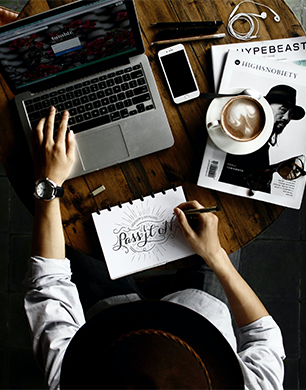
This style mimics the look of handmade art using rough, imperfect lines and irregular textures and shapes. The personable, humanised aesthetic contrasts with the polish of digital design. Hand-drawn logos exude approachability and creativity, making them a good choice for businesses wanting to appear authentic, artistic, and forward-thinking. They also blend well with brands in the hospitality, retail, and food industries.
Geometric
Geometric logos incorporate common shapes like circles, triangles, squares, and lines into visually balanced compositions. The mathematical precision of geometric patterns creates a sense of order and structural beauty. Symmetric geometric designs work for brands that want to project competence, intelligence, and professionalism. Tech companies, architects, and engineers often lean towards clean geometric styling.
Playful and Cartoonish
These fun, light-hearted logo designs incorporate bright colours, friendly mascots, and bubbly, cartoonish fonts. The aim is to create a lively, upbeat look that puts customers at ease. This casual style helps humanise businesses and shows they don’t take themselves too seriously. Playful logos are smart choices for youth brands, toy companies, confectioners, and kid-centric businesses.
Emblem or Crest
Emblems and crests feature iconography, and symbolic shapes joined together inside a geometric form like a circle, shield, or badge. The icons represent key qualities and values the brand wants to convey. This classic style has an authoritative, prestigious vibe fitting banks, hotels, sports teams, and institutions. Consumers view crest logos as trustworthy and reputable.
Gradient
Gradient logos blend two or more colours seamlessly transitioning from light to dark or one hue to another. This digital design technique adds dimension and depth to logos. Vibrant gradient logos help companies appear innovative, modern, and digitally savvy. They work with artsy brands, photographers, musicians, DJs, and creative agencies seeking edgy logo designs.
Monogram
A monogram features the brand’s initials in a styled overlapping pattern or design. The interwoven initials create an easily recognisable brand mark. Monograms work for fashion companies, boutiques, photographers, restaurants, and other brands wanting that personalised custom feel. When designed well, monograms look classy and sophisticated.
Illustrative
Illustrative logos use artistic, hand-drawn illustrations as the main branding image. The custom artwork conveys the brand message and personality through creative visual storytelling. This style helps companies stand out with a distinct visual identity, evoking specific moods, ideas, and themes. Illustrated logos work for publishers, artists, museums, boutiques, and cultural institutions.
As this overview shows, businesses have numerous aesthetically pleasing design styles to help craft unique, memorable logos that represent their mission and values. The best logos creatively communicate a brand’s personality and qualities at just a glance.